


Words no longer mean the same things to the same people. Language got optimized for clicks instead of connection. Confusion became a strategy. And without shared language, shared reality became impossible.
How We Got Here
Words like value, impact, innovation, and community got used so widely and so loosely that they could apply to anything. Marketing language invaded strategy, operations, and internal communications. Teams were told to “tell a great story” instead of explaining what was actually happening.
Jargon became armor: people hid behind complex word salad when they were uncertain, and those who spoke plainly were dismissed as unsophisticated. The more a word was used to sell things, the less it told anyone about reality.
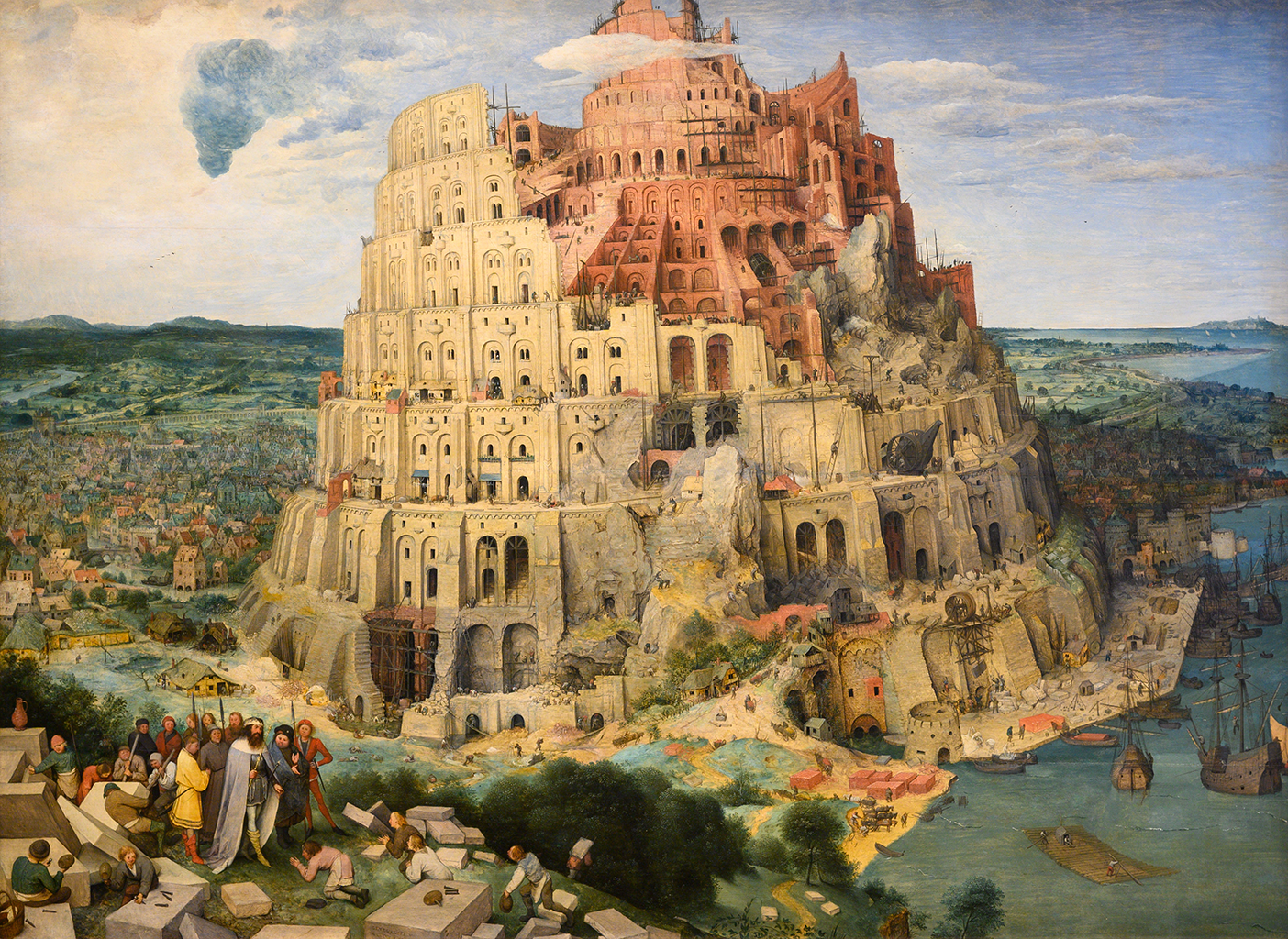
Inside organizations, the fracture was less visible. Sales, product, engineering, and finance all used the same words for different things, creating a Tower of Babel problem. “Done” could mean five different things in one company. Meetings ended with what looked like agreement but was actually divergent interpretation of what was actually agreed to. Misunderstandings surfaced weeks or months later as project failures. New joiners were onboarded into vocabulary, not meaning. They learned to mimic the language before they understood it, and repetition passed for comprehension.
Generative AI and content mills accelerated the collapse. Huge volumes of text that sounded right but was conceptually hollow flooded every channel. The ratio of words to meaning kept getting worse.
Online platforms rewarded punchy, polarized phrasing over careful articulation. Irony became the default tone because sincerity felt risky. People stopped trusting what was written, which meant they stopped trusting what was said, which meant coordination costs went up across all aspects of life.
The Challenges We Face
We Sing From the Same Hymn Book Using Different Words
When the same words mean different things to different people, agreement is an illusion and every handshake is a misunderstanding waiting to surface.
Narrative Control Replaced Truth Seeking
The question stopped being “what is true” and became “what story wins,” which produces a very different kind of effort.
Language Was Optimized for Clicks, Not Connection
The economics of attention rewarded provocation over precision, and the language we use to think with got degraded in the process.
Everything Started to Sound Like Marketing
When every statement is suspected of being a pitch, the cost of genuine communication goes up and people stop trying.
Vocabulary Inflation Diluted Real Expertise
When everyone is a thought leader, the phrase means nothing, and the people who actually know things get buried in the noise.
Confusion Became a Deliberate Strategy
Deliberate complexity is a power move: the people who benefit from opacity are the ones generating it.
Definitions Became Battlegrounds, Not Common Ground
When the fight is about what words mean rather than what to do, the underlying disagreement never gets addressed.
Algorithmic Feeds Fractured Our Shared Reality
Different people encountering different information environments is not a philosophical problem. It is an infrastructure problem.
We Broke The Link Between Words and Consequences
Language without consequences is language without accountability, and we built systems that make consequence very easy to avoid.
We Lost Safe Spaces to Make Sense of Things
Sensemaking requires conditions: time, trust, and the ability to be wrong in front of people who will not use it against you. We have somehow destroyed most of those conditions.
What This Taught Us
Language is not a cosmetic layer. It is the operating system of shared reality. Shared words without shared meaning are a hidden form of technical and social debt. If we do not maintain language deliberately, it will be maintained by inertia and power.
What This Demands Of Us
- We treat common language as infrastructure, not decoration.
- We won’t optimize language for clicks.
- We won’t use confusion as a strategy.
- We don’t hide complexity behind obtuse language.
- We won’t pretend alignment exists just because the words match on a slide.
- We won’t use language that hides harm or obscures responsibility.
- We won’t let Generative AI and content machinery erode the link between words and reality.
The Future We Build Instead
Words mean what they mean. When there is disagreement about terms, it gets surfaced and addressed instead of papered over. The vocabulary is precise enough to be useful and accessible enough to be shared.
Common language is not a luxury. It is the infrastructure everything else runs on.
- Read Our Shared Language Broke on Index Zero.
- Read the full Index Zero Manifesto on Index Zero.
Next Page | Previous Page | Page Name | Published Date |
|---|---|---|---|
May 2, 2026 |