


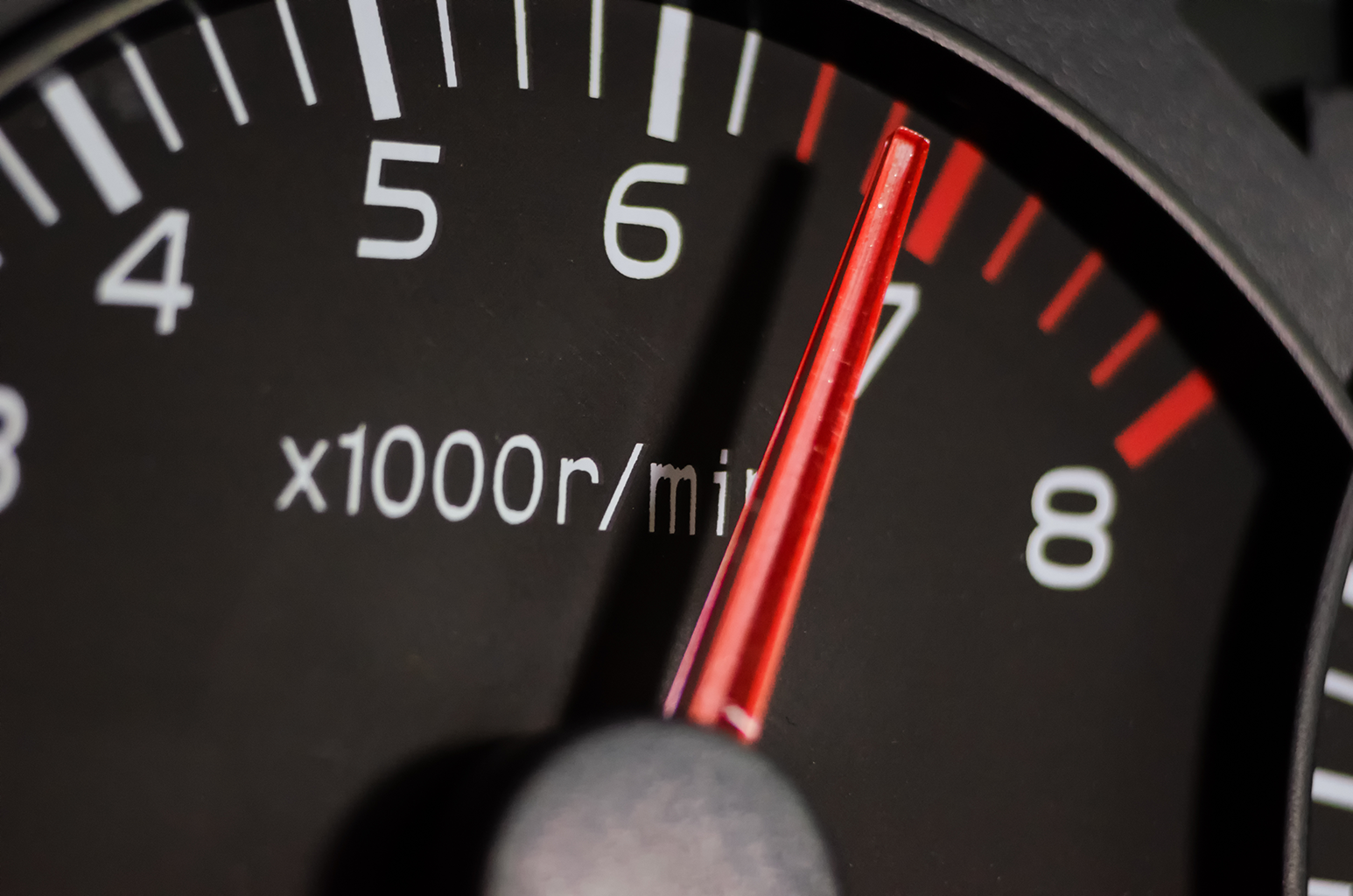
Twenty-five years of stacked shocks without real recovery. An entire economy built on how much pain people can tolerate before collapsing. Our bodies know what the culture refuses to say out loud. And every system designed to help seems more interested in managing the optics of our distress than addressing its causes.
How We Got Here
The shocks stacked. A financial crisis. A pandemic. Political instability. Climate emergencies playing out on screens and doorsteps. Each one was supposed to be followed by recovery. None of them were. People went from fear and loss straight back to “business as usual.”
Frontline workers were applauded and then quickly forgotten. Grief for loved ones, routines, and futures sat unresolved while the calendar kept marching forward. Systems responded with optics instead of change. Companies talked about wellbeing while increasing workloads. Meditation apps and wellness webinars were rolled out instead of sane staffing models. “Self-care” was offered as a solution to structurally uncaring environments.
Meanwhile, mass layoffs were executed by email. People found out they were cut because their badge stopped working. Those who remained were told to be grateful and absorb the extra load. The gap between what was promised and what was practiced kept widening.
People internalized it. When everyone else looks fine, struggling feels like a personal flaw. Structural causes are invisible. Personal failure is overexposed. “I’m fine” became both a shield and an internalized lie, and saying otherwise felt unsafe or pointless.
Over time, people started to doubt their own sense that something was wrong. The system gaslights them. Then they gaslight themselves.
The Challenges We Face
We Are Always Teetering On The Brink
A system that requires everyone to perform at maximum capacity with no margin has no resilience, and no one inside it gets to be human.
Burnout Became Our Baseline
When the recovery period never comes, the damage accumulates, and what used to be an acute crisis becomes the permanent condition.
Our Bodies Know We’re Not OK
Stress lives in the body long after the mind has learned to ignore it. Eventually the body stops asking permission to be heard.
We Are Lonely In a Crowded World
We have more ways to communicate than ever and somehow more isolation than ever, and that is not a coincidence.
Self-Care Became Self-Promotion
When rest requires documentation and recovery requires a content strategy, we turned the antidote into another performance.
We Assume It’s Our Fault By Default
Systems that externalize costs onto individuals need people to believe the problem is personal, and we internalized that message at scale.
We Make Our Pain Everyone Else’s Problem
When there are no legitimate structures for addressing collective damage, individual suffering finds other outlets.
We Never Give Ourselves Time To Heal
Recovery is not a luxury. It is a requirement for continued function, and systems that treat it as optional are destroying the people inside them.
We Medicate the Signal Instead of Fixing the System
Pain is information, and suppressing it is not treatment. It is a way to keep the system running at the expense of the people running it.
We Forgot What Feeling OK Feels Like
When the baseline is suffering, normal looks like relief and relief looks like thriving, which makes it very easy to accept conditions that would have been unacceptable before.
What This Taught Us
This is not a handful of individual failing-to-cope stories. It is systemic harm. You cannot endlessly extract from humans without eventually breaking them. Systems that treat people as interchangeable resources create deep, compounding damage, and any serious attempt to build something better has to take the state of human beings as a central design constraint, not an afterthought.
What This Demands Of Us
- 996 is a gimmick, not a lifestyle.
- Treating self-harm as work ethic is not ambition. It is abuse with better branding.
- No hustle bros. Ever.
- Work must be worth the life it costs.
- We won’t treat symptoms when the system is the disease.
- We won’t assume people are fine and design from there.
- We won’t decorate exploitative conditions with wellness rhetoric.
The Future We Build Instead
People are assumed to not be fine, and systems are designed from that assumption. Pace is human. There is slack. Recovery is built in, not bolted on as a benefit you have to justify using.
Nobody is performing wellness. They are just, occasionally, actually well.
- Read We Are Not Fine on Index Zero.
- Read the full Index Zero Manifesto on Index Zero.

Next Page | Previous Page | Page Name | Published Date |
|---|---|---|---|
May 2, 2026 |